
When I visited a 50,000-bird layer farm in Southeast Asia last year, the owner showed me a chicken manure pile the size of a small house. “This is my biggest headache,” he said. Six months later, that same pile had become a monthly revenue stream—high-quality organic fertilizer sold to nearby fruit plantations at $120 per ton. The turning point was not luck. It was the right chicken manure composting technology.
As an engineer who has commissioned more than 30 chicken manure composting projects for Huaxin over the past eight years, I have seen farms waste months on poorly managed windrows—and I have seen others produce market-ready compost in 15 days. In this guide, I will walk you through the science, the process parameters that actually matter, and how to choose the right composting equipment for your scale.
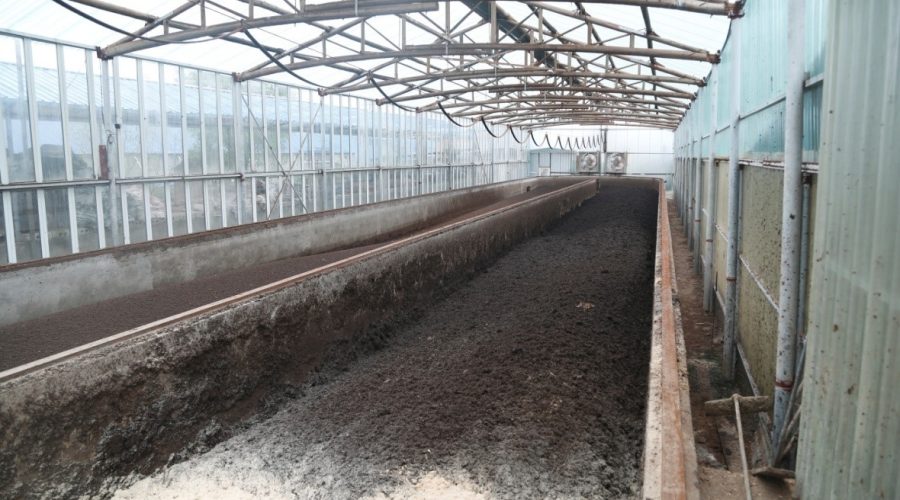
Why Chicken Manure Is "Gold"—But Only After Composting
Fresh poultry manure is one of the richest organic fertilizers in nature. It typically contains 1.6–2.0% nitrogen, 1.5–2.0% phosphorus (P₂O₅), and 0.8–1.0% potassium (K₂O)—roughly three to four times the nutrient density of cow dung. However, applying raw chicken manure directly to crops is a serious mistake:
- Pathogen risk: Fresh manure carries Salmonella, E. coli, and parasite eggs that can contaminate vegetables.
- Root burn: High ammonia nitrogen releases rapidly and damages plant roots.
- Weed seeds: Surviving seeds germinate and compete with your crops.
- Odor complaints: Neighbors and regulators both have limits.
Composting chicken manure solves all four problems at once. Through controlled aerobic fermentation, thermophilic bacteria raise pile temperatures to 55–70°C, which kills pathogens and weed seeds, converts unstable ammonia into stable organic nitrogen, and reduces moisture from 70–75% to a storable 30–35%.
The Core Science: Four Parameters I Never Compromise On
Over the years, I have found that 90% of composting failures trace back to ignoring these four factors:
1. Carbon-to-Nitrogen (C:N) Ratio: Target 25–30:1
Fresh chicken manure alone sits at roughly 10:1—far too nitrogen-rich. You must blend it with carbon materials: straw, sawdust, rice hulls, or corn stalks. In practice, I recommend a manure mixing ratio of about 60% chicken manure and 40% dry carbon material by volume. A correct C/N ratio keeps microbes fed and prevents ammonia odor.
2. Moisture Content: 50–60%, Like a Wrung-Out Sponge
Fresh layer manure often exceeds 70% moisture. If you skip manure dewatering or fail to add dry bulking agents, the pile turns anaerobic and smells like rotten eggs. A screw press dewatering machine can cut moisture to 55–60% in minutes—this single step often halves fermentation time.
3. Composting Temperature: 55–70°C for At Least 5 Consecutive Days
This is the pathogen-killing window. Below 55°C, harmful organisms survive; above 70°C, beneficial thermophiles die off. In open windrows, this means turning compost every 2–3 days. In a closed fermentation tank, the PLC system holds this window automatically.
4. Oxygen Supply: Aerobic All the Way
Aerobic decomposition is fast and odorless; anaerobic is slow and smelly. Whether you operate windrow composting or blow air through a tank, oxygen supply is non-negotiable.
Composting Methods Compared: What I Recommend at Each Scale
| Method | Cycle Time | Labor | Odor Control | Best For |
|---|---|---|---|---|
| Open windrow + compost turner | 20–30 days | Medium | Poor (needs covering) | 1–5 t/h, budget projects |
| Groove type composting | 15–20 days | Low | Medium | 5–10 t/h, medium plants |
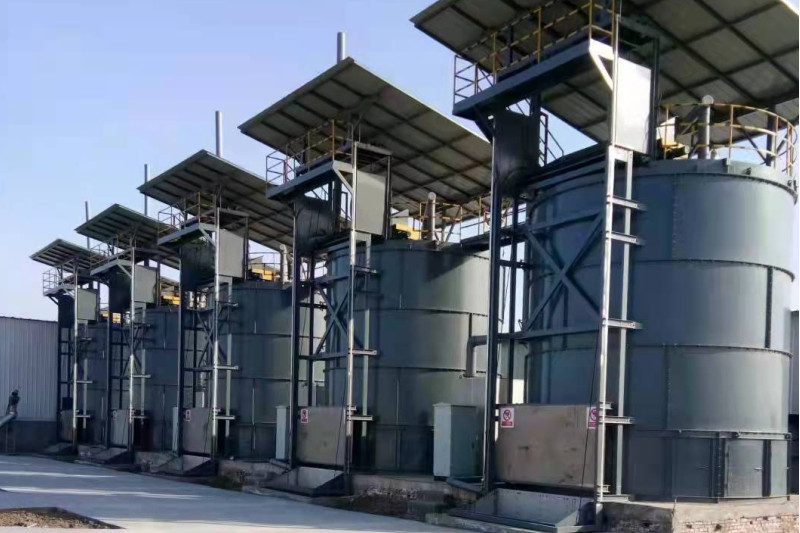
| Closed fermentation tank | 7–15 days | Very low | Excellent | 0.5–10 t/h, urban/strict regulation areas |
| Nano-membrane covered composting | 15–20 days | Low | Excellent | 10 t/h+, large fertilizer plants |
My honest advice: If you are within 500 meters of a residential area or face strict environmental inspection, choose an in-vessel composting system. The PLC-controlled system handles temperature, aeration, and mixing automatically—one operator can run the whole process, and exhaust gas passes through a bio-filter before discharge.
From Compost to Commercial Organic Fertilizer: The Full Production Line
Finished compost is a product, but granulated fertilizer is a premium product. Many of my clients start with composting only, then upgrade to a complete organic fertilizer production line. Here is the full process flow I design most often:
- Dewatering – manure dewatering machine reduces fresh manure moisture.
- Mixing – blend manure with carbon materials to hit C:N 25–30:1.
- Fermentation – aerobic composting in a tank or windrow for 7–20 days.
- Crushing – compost crusher breaks caked compost into uniform particles.
- Granulation – disc granulator or rotary drum granulator forms round pellets (3–5 mm).
- Drying & cooling – reduce pellet moisture below 15% with a rotary dryer.
- Screening & packaging – automatic bagging machine at 25–50 kg per bag.
A 5 t/h organic fertilizer powder production line requires roughly $45,000–$80,000; a full fertilizer granulation plant typically runs $120,000–$250,000 depending on automation level. Payback period in most markets is 12–24 months through fertilizer sales alone—not counting the savings on manure disposal costs.
Common Mistakes I See Farms Make
Skipping dewatering and hoping the sun will fix moisture. It won’t—anaerobic pockets form inside the pile within 48 hours.
Buying a compost turner that is too small for daily manure output. Your equipment must handle one day’s fresh manure plus accumulated material.
Ignoring local regulations on ammonia and odor emissions. Fines cost far more than a deodorization system.
Selling half-composted material. If it still smells like manure, it will burn your customers’ crops and your reputation.
Final Thoughts
Chicken manure composting is not complicated science—it is disciplined engineering. Get the C:N ratio, moisture, and temperature right, match the composting machine to your scale, and poultry waste becomes one of the most profitable agricultural by-products in modern farming.
❓ Frequently Asked Questions (FAQs)
1. How long does it take to compost chicken manure into organic fertilizer?
With proper windrow turning: 20–30 days of active fermentation plus 10–15 days of curing. With a closed fermentation tank: 7–15 days total.
2. What is the ideal C:N ratio for composting chicken manure?
Aim for 25–30:1. Since fresh chicken manure is around 10:1, blend it with straw, sawdust, or rice hulls at roughly 60:40 manure-to-carbon by volume.
3. Can I apply fresh chicken manure directly to my crops?
No. Raw manure burns roots with excess ammonia and carries pathogens like Salmonella and E. coli. It must be fully composted first.
4. What temperature kills pathogens in chicken manure compost?
Maintain composting temperatures of 55–70°C for at least 5 consecutive days. Most pathogens and weed seeds die within this window.
5. What is the best composting machine for a small chicken farm?
For outputs under 2 t/h, a self-propelled windrow turner ($4,000–$12,000) or a small fermentation tank (5–20 m³) is the most economical choice.
6. Which compost turner is best for a large organic fertilizer plant?
For outputs above 10 t/h, I recommend wheel type compost turners with 8–30 m turning spans, or a nano-membrane covered composting system for odor-sensitive locations.
7. How do I control odor during chicken manure composting?
Keep the process aerobic (turn or aerate regularly), maintain 50–60% moisture, and use a closed composting system with a bio-filter in strict-regulation areas.
8. What is the moisture content of finished compost?
Quality finished compost should be 30–35% moisture—dark, crumbly, and smelling earthy, with no recognizable raw material remaining.
9. How much does a chicken manure composting machine cost?
Compost turner prices start around $4,000; groove turners $6,500–$19,000; fermentation tank prices range from $10,000–$80,000 depending on capacity and automation.
10. Can I make granular organic fertilizer from chicken manure?
Yes. After fermentation, crush the compost, blend additives, granulate with a fertilizer granulator, then dry, cool, screen, and package. Organic fertilizer granules sell at 1.5–2× the price of raw compost.
11. What raw materials can a manure composting system process?
Most systems also handle pig manure, cow dung, mushroom residue, crop straw, kitchen waste, and dewatered sludge.
12. Do I need to add microbial inoculants to compost chicken manure?
Not strictly—naturally occurring thermophilic bacteria will do the job—but quality compost inoculants can shorten the cycle by 2–3 days and improve maturity consistency.
Turn Your Chicken Manure into Profitable Organic Fertilizer—Get a Free Custom Solution
Every day you delay, raw manure is a cost—odor complaints, disposal fees, and wasted nutrients. Every day with the right composting system, it is revenue. At Huaxin, we don’t just sell composting machines—we design your entire organic fertilizer production line, from dewatering to granulation, based on your manure volume, budget, and local regulations.
Contact Huaxin today for a free customized composting equipment quote—reply within 12 hours.


