
When I first visited a dairy farm in central China in 2014, the owner pointed at a pile of fresh cow dung behind his barn and said: “This used to be my biggest headache. Now it is my second-biggest income source.”
That sentence stayed with me. Over the past decade, I have helped more than 200 farms design cow manure processing systems, and I can say with confidence: cow dung is not waste — it is a resource. In this guide, I will show you exactly how to process cow manure into fertilizer, fuel, and energy, based on real field experience rather than textbook theory.
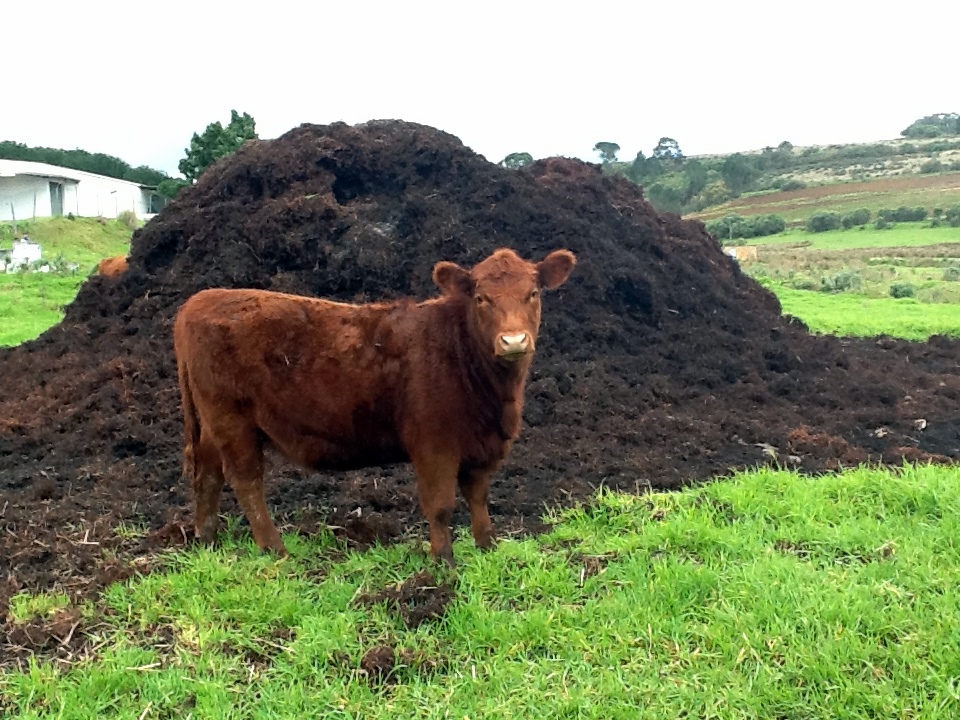
Why Cattle Farmers Need a Cow Manure Management Plan
One adult dairy cow produces 30–40 kg of cow manure per day. A 200-cow farm generates over 2,500 tonnes of cattle waste annually. Untreated, it causes three problems:
- Environmental pollution — runoff contaminates waterways, ammonia damages air quality, and odor complaints threaten your license to operate.
- Regulatory pressure — livestock waste management regulations are tightening worldwide every year.
- Wasted value — giving raw cow poop disposal away for free is money lost.
The solution is a cow manure processing plant that converts this liability into three income streams: organic fertilizer, biomass fuel, and biogas energy.
Step 1: Dewatering — The Foundation of Manure Processing
Fresh cow manure contains 75–85% moisture, making transport, composting, and burning inefficient. Every processing route starts here.
In my projects, a screw press solid liquid separator is always the first machine I recommend. It splits manure into:
- Solid fraction (50–60% moisture): ideal for composting, briquetting, and bedding.
- Liquid fraction: nitrogen-rich, perfect for liquid fertilizer or a biogas digester.
A mid-size manure dewatering machine costing a few thousand dollars typically pays back within one year.
Application 1: Cow Manure Organic Fertilizer (The Most Reliable Income Stream)
This is where most of my clients start — organic fertilizer from cow dung has stable demand and mature technology.
How to Make Compost from Cow Dung
- Mix materials — Blend dewatered cow dung compost with straw or sawdust to hit a C:N ratio of 25–30:1.
- Build windrows — 1.2–1.5 m high so the core heats properly.
- Turn regularly — A compost turner machine turns every 2–3 days; the pile must reach 55–70°C to kill pathogens.
- Cure and screen — 15–20 days active fermentation, plus a week of curing.
Finished cow manure compost sells for $60–120 per tonne; bagged and branded, it can fetch 2–3 times more.
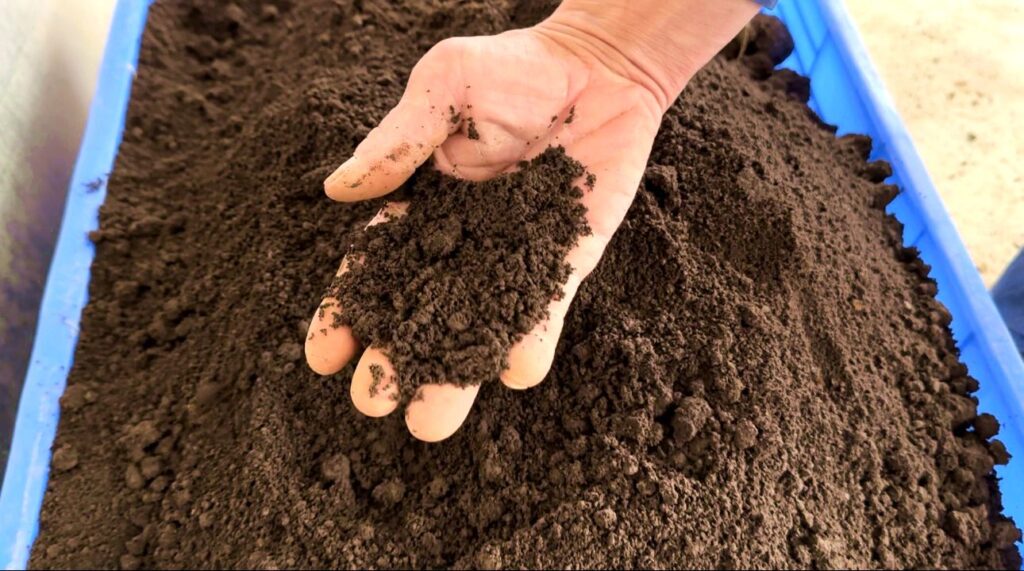
Upgrading to Granular Fertilizer for Higher Profit
To enter the commercial market, add cow manure fertilizer production line equipment:
- Crusher — uniform powder
- Mixer — functional bacteria or NPK additives
- Cow dung granulator — disc or drum type, producing 2–5 mm pellets
- Rotary dryer and cooler — moisture below 12%
- Screening machine and fertilizer packing machine
Granular organic fertilizer commands 30–50% higher prices than powder and is far easier to store and market.
Application 2: Cow Dung Biomass Briquettes — Fuel from Manure
Many farmers are surprised to learn that dried cow dung calorific value reaches 3,000–3,500 kcal/kg — close to lignite.
The process: dewater → crush → dry below 15% moisture → press through a biomass briquette machine. The resulting cow dung briquettes (also called cow dung fuel cakes or bio coal briquettes):
- Burn cleanly with low ash
- Replace coal and firewood in boilers and brick kilns
- Sell to restaurants, schools, and factories
One client in Indonesia produces 8 tonnes of biomass briquettes from cow manure daily, saving fuel costs and earning around $3,000 per month from surplus sales.

Application 3: Biogas from Cow Dung — Renewable Farm Energy
For farms far from gas grids, anaerobic digestion of cow manure is the highest-value option.
Manure slurry flows into a biogas plant (anaerobic digester), where bacteria produce:
- Biogas (55–70% methane) — for cooking, heating, or biogas electricity generation. One cubic meter equals roughly 0.6 kg of coal in heat value.
- Biogas slurry and digestate — a premium, low-odor organic fertilizer.
A 200-cow farm’s cow dung biogas production can cover the entire farm household’s daily cooking and hot water, cutting energy bills to nearly zero.
My honest advice: biogas production from cattle waste has the longest payback. Start with composting, add biogas in phase two.
Application 4: More Cow Dung Uses Worth Knowing
- Vermicomposting — earthworms produce worm castings worth $200–400/tonne
- Cow dung as fish pond fertilizer — grows natural feed in aquaculture
- Potting mix and growing medium — blended for horticulture nurseries
- Cow dung paper and handicrafts — niche but profitable artisan markets
How to Choose the Right Cow Manure Processing Solution
| Your farm situation | Recommended route |
|---|---|
| Small farm (<50 cows), low budget | Small-scale cow manure composting + local sales |
| Medium farm (50–500 cows) | Dewatering + compost line + cow dung briquette plant |
| Large dairy, high energy costs | Full system: separator + biogas digester + granular fertilizer |
| Near urban markets | Commercial organic fertilizer production + branded bagging |
The formula never changes: solve pollution first, then stack income streams — the true waste to wealth model for modern livestock farming.
The Bottom Line
Cow manure recycling is no longer a niche experiment — it is a proven business. Every successful project I’ve built started with one step: manure dewatering. Everything else grows from there.
FAQ — How to Process Cow Manure
1. How do you process cow manure into fertilizer?
Dewater with a solid liquid separator, mix with carbon materials, compost at 55–70°C for 15–20 days, then cure and screen. For commercial sale, granulate with a cow manure pellet machine.
2. How long does cow manure composting take?
With a compost turner machine: 15–20 days active fermentation plus 7–10 days curing. Unturned piles take 3–6 months.
3. What is the best machine to process cow dung?
A manure dewatering machine (screw press) first — it benefits every downstream process and has the fastest payback.
4. Can cow dung be used as fuel?
Yes. Cow dung briquettes offer 3,000–3,500 kcal/kg and burn cleaner than coal, ideal for boilers and cooking.
5. How much biogas does one cow produce per day?
About 0.8–1.2 m³ of biogas from cow dung per cow daily — enough for a family’s cooking needs.
6. Can you put fresh cow manure directly on crops?
No. Fresh cow dung fertilizer contains ammonia and pathogens that burn roots. Always compost or ferment first.
7. What is the ideal C:N ratio for cow manure composting?
25–30:1 — blend with straw, sawdust, or rice husk to balance nitrogen.
8. How profitable is an organic fertilizer production line?
Cow manure compost sells at $60–120/tonne; granular organic fertilizer reaches $150–300/tonne. Most lines pay back in 1–2 years.
9. How do I control odor in cow manure processing?
High-temperature rapid composting, bio-filters, and keeping the site dry are the three most effective methods.
10. Can the same line process chicken and pig manure?
Yes. Manure processing equipment — separators, granulators, dryers — handles poultry and pig manure with minor adjustments.
11. Do I need a permit to sell cow manure fertilizer?
Most countries require organic fertilizer registration or certification — check your local agricultural authority first.
12. How do I know when cow dung compost is finished?
Dark brown or black, crumbly, cool, and smells like forest soil — no ammonia odor remains.
Ready to Turn Cow Manure Into Profit?
Every week of delay means more disposal costs instead of income. Huaxin has delivered cow manure processing plants to farms in 30+ countries — from a single dewatering machine to a complete organic fertilizer production line with biogas integration.
Contact Huaxin today for:
Free project feasibility analysis
A customized cow manure processing solution matched to your herd size and budget
Detailed quotation with real payback calculations
Send us your farm details — receive your tailored manure processing plan within 24 hours.


